Lost in Lodi
We've all daydreamed about those serendipitous moments straight out of a rom-com: spotting your future partner in the background of an old photo or making eye-contact with them at a concert for an obscure Indie band.
Now, imagine this: you're riding down the highway on your motorcycle when your future husband zooms past you. The only clue to his identity? His bike. For Yelena and Brian, that's exactly how it happened—except it wasn't entirely a coincidence.
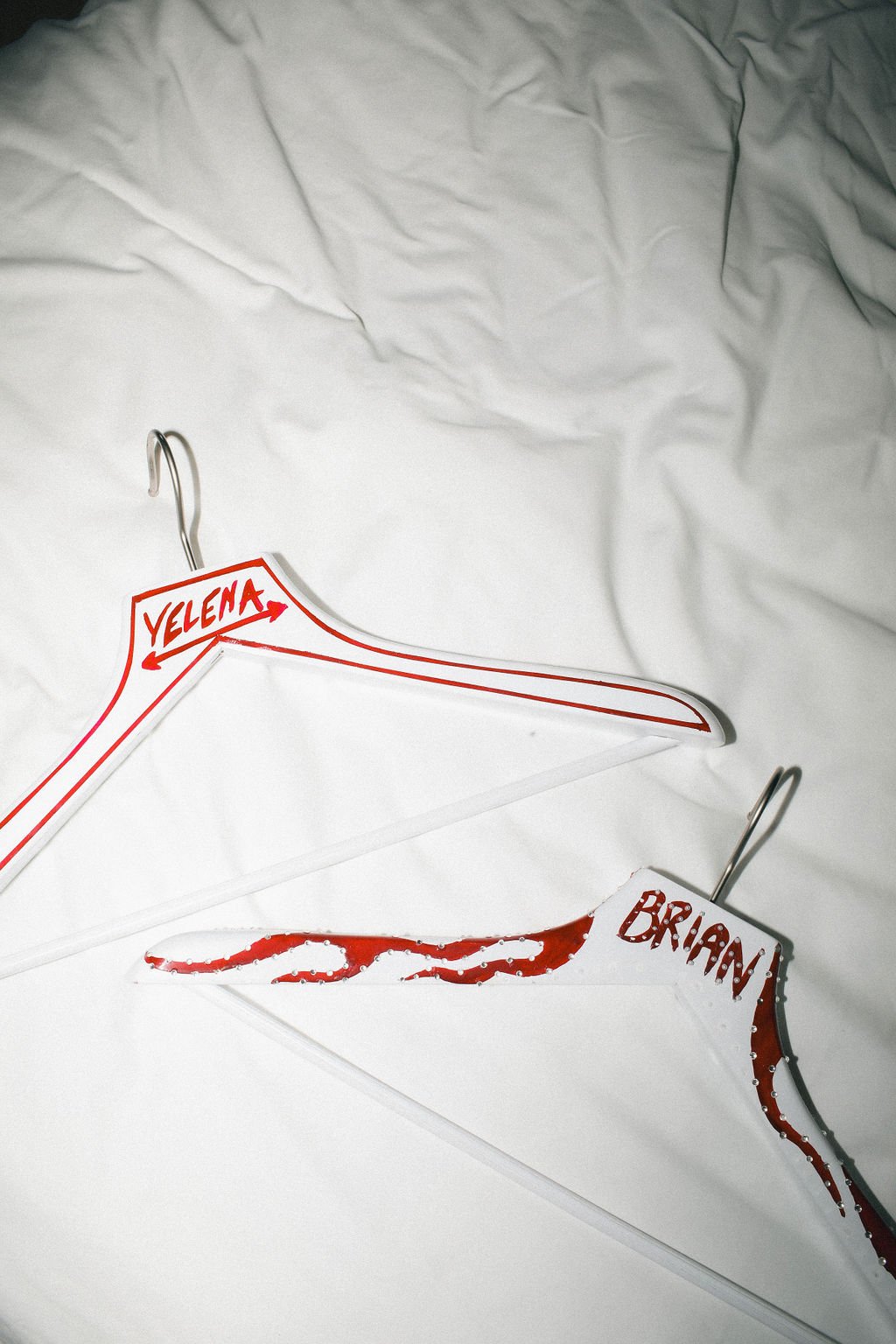
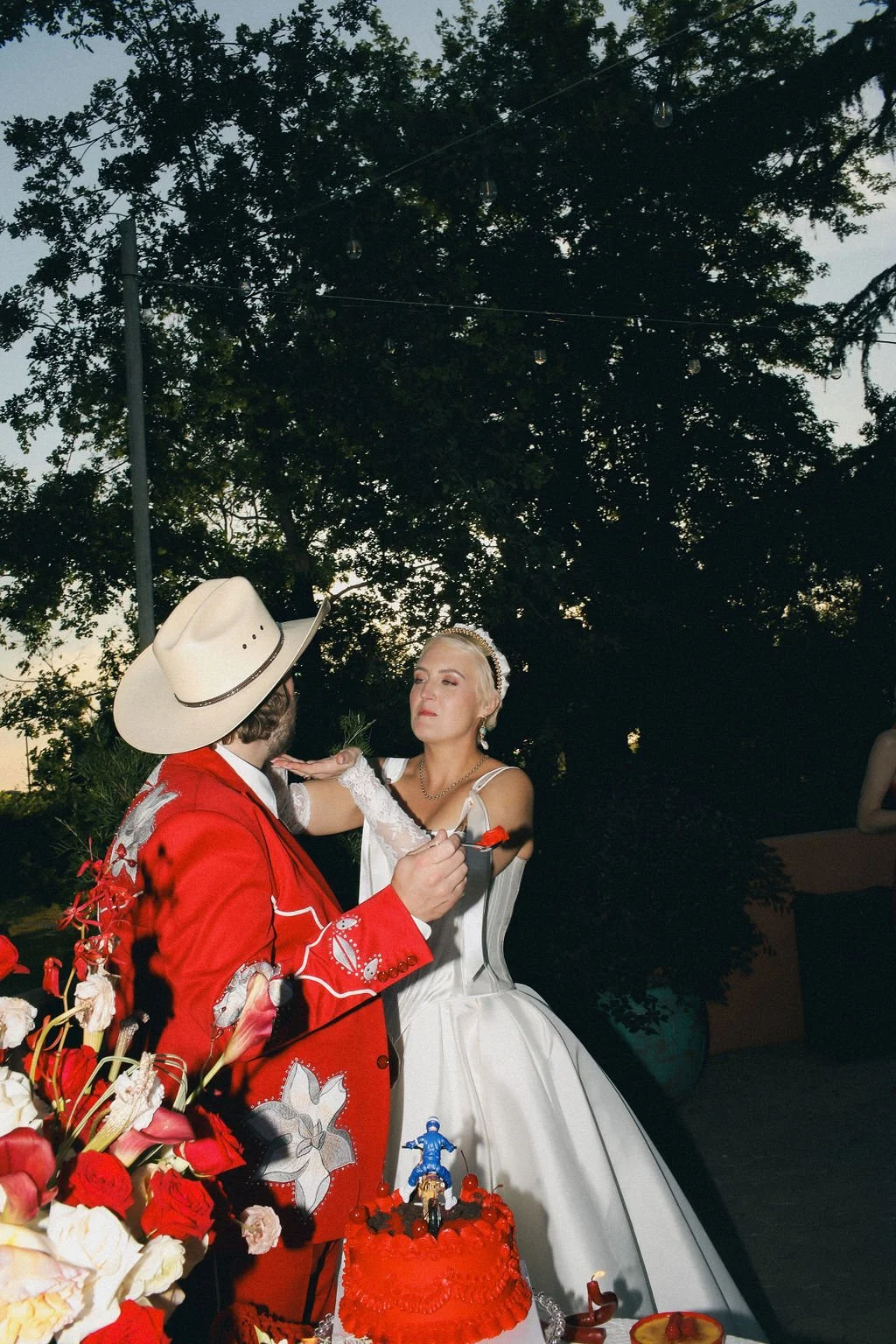
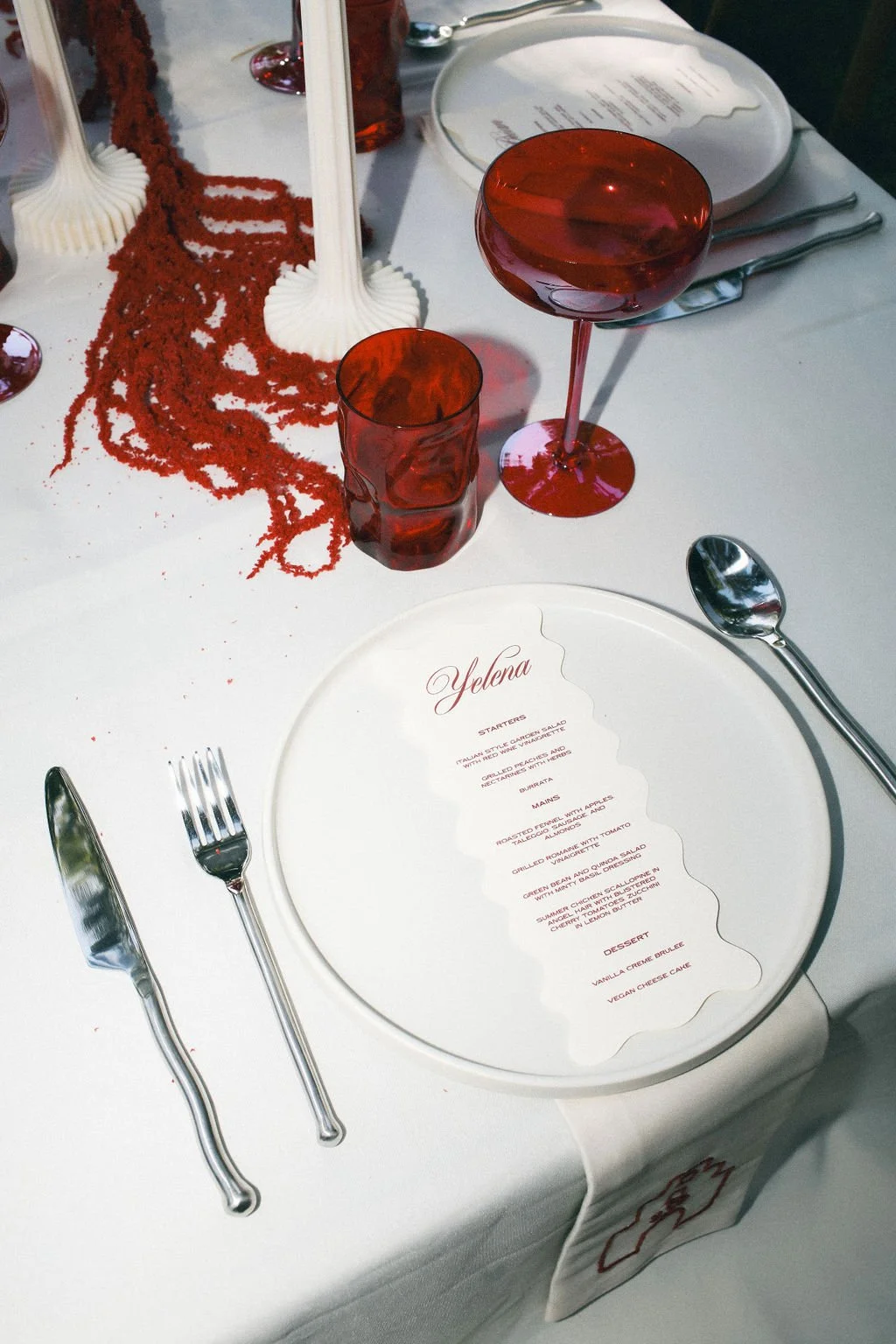
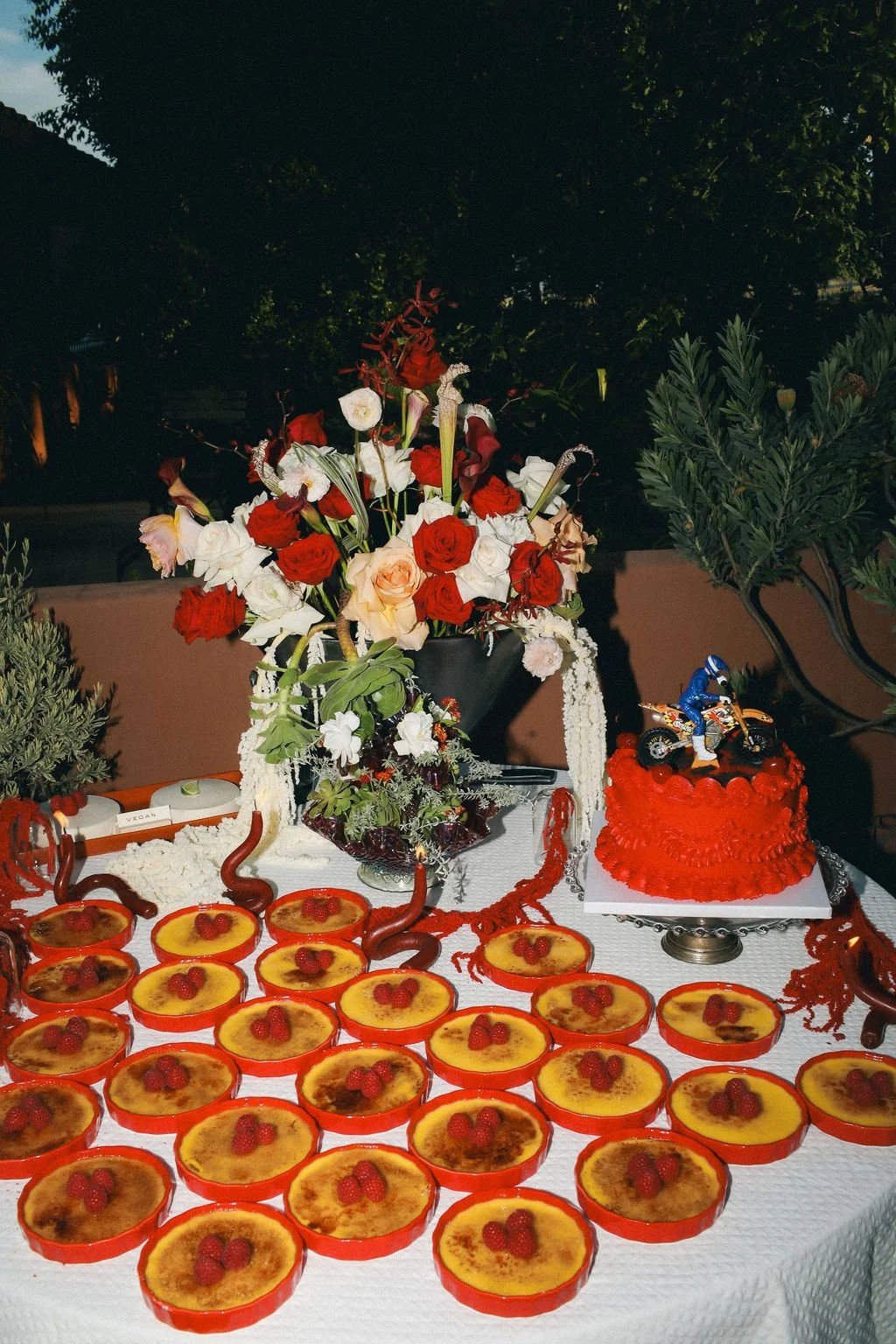
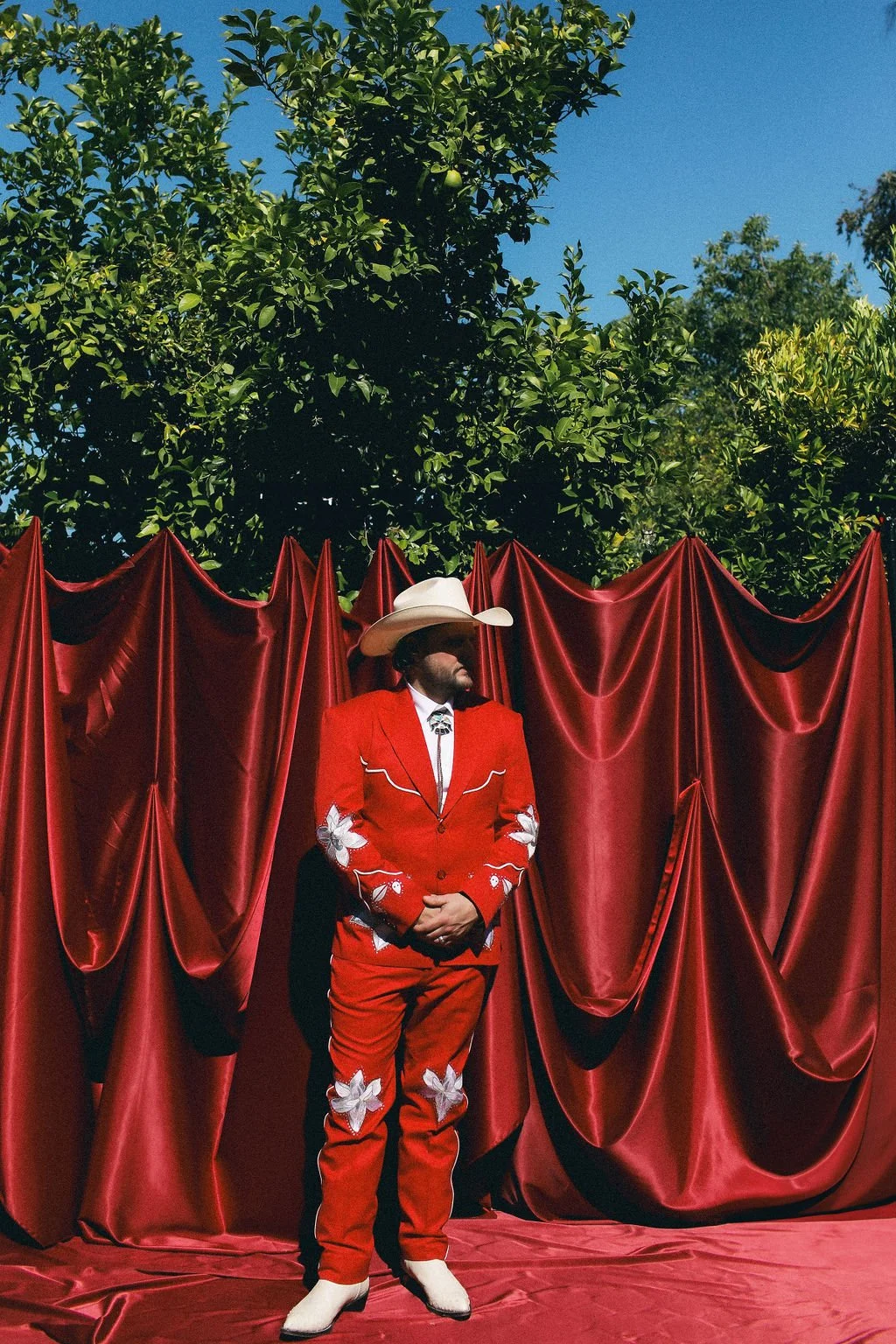
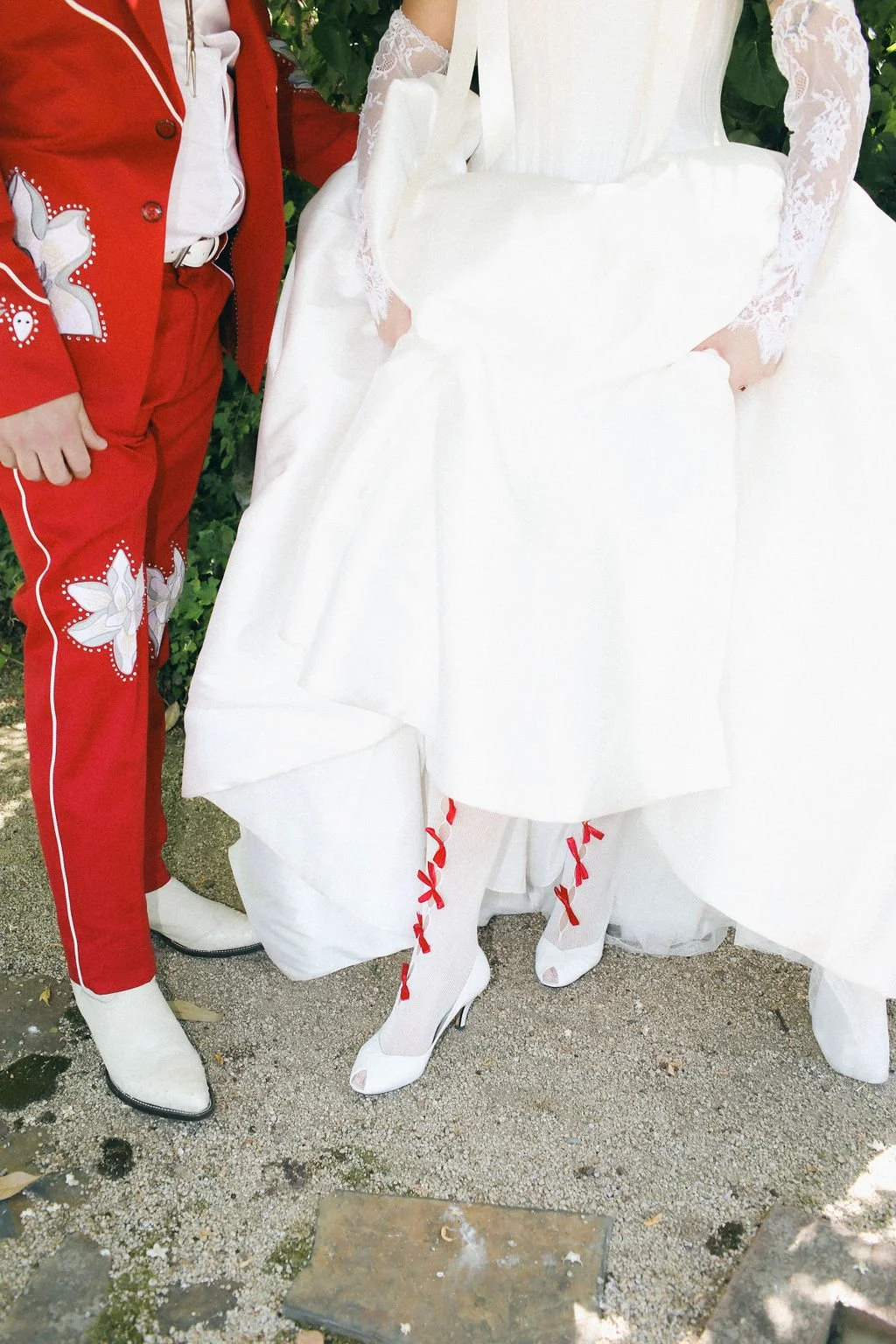
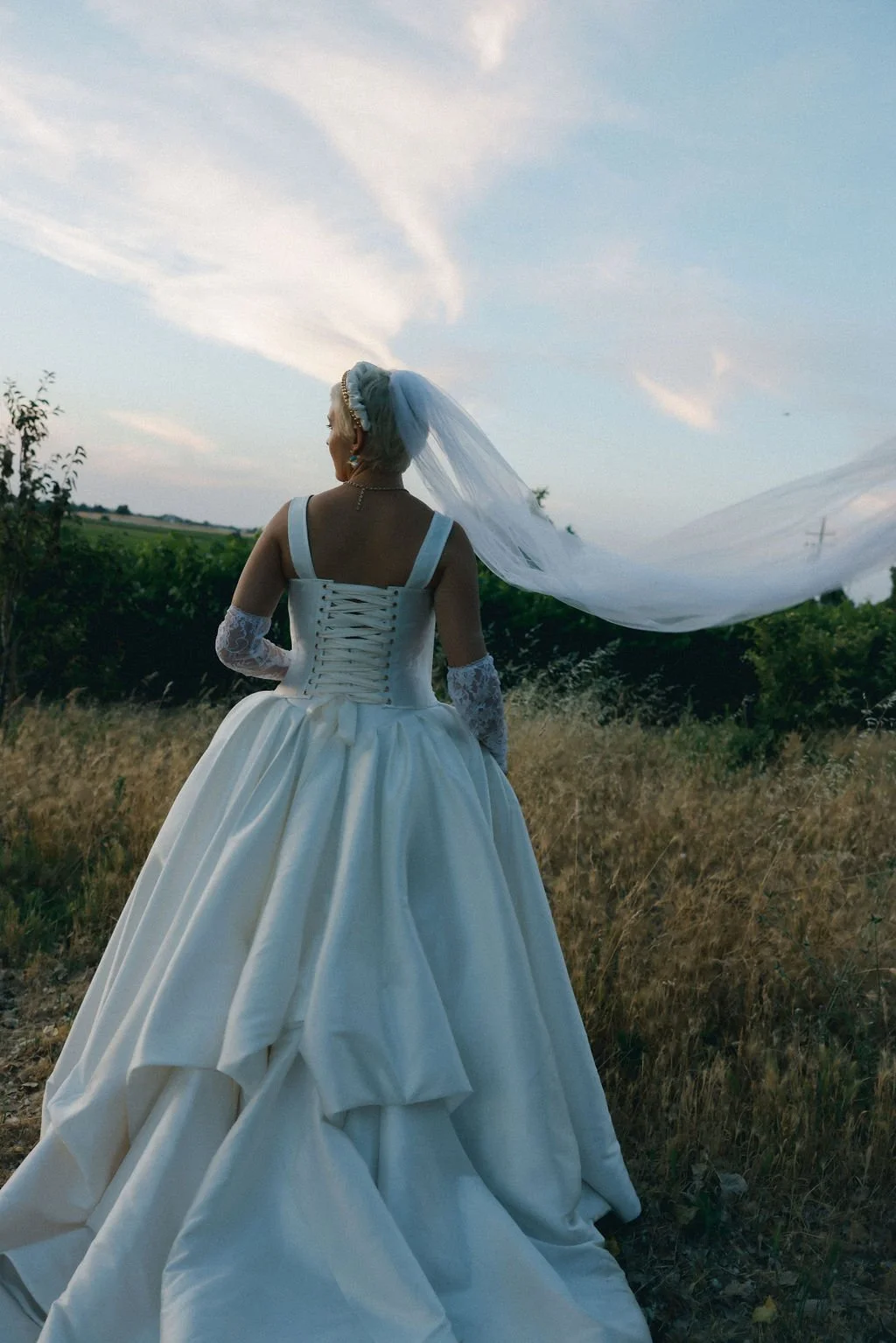
J: What is y'all's love story?
Y: I brought in my piece of s*** motorcycle to his shop to try and fix it myself with like d**** on the dollar because I was very broke at the time. The owner, seeing a “cute girl” walk into the shop, called Brian and said, "Hey, there's this girl. She kind of just came in. She seems really cute. You should come by."
Funny enough, Brian didn’t make any move that day, and I was sort of dating someone else at the time. But he later found me on Instagram, saw that I was out riding, and decided to track me down. One day, while I was on a date with someone else, he rode past me on his bike. I didn’t realize it was him at the time, but I distinctly remember noticing how cool his bike was.
From there, fate and timing just clicked. He found his way into my life, and the rest is history.
"Chase bliss above all odds."
J: You chose a fairly intimate wedding—a kind of summer camp for adults, complete with wine, swimming, and an all-around good time. What inspired you to go for a smaller celebration? What did the intimacy add to the experience for you and Brian? And do you feel you missed out on anything by keeping the guest list smaller?
Y: We never even considered a big wedding—it just wasn’t what we wanted. From the beginning, we both valued having our families spend quality time together, especially since it was their first time meeting. A smaller group allowed for that kind of connection.
We also loved having the freedom to take our time and enjoy the venue without feeling rushed, which often happens with large parties. I think what was really important to us is that people got to bond and they did, like everybody went swimming together and we had our first dinner and hung out by the river together and then the rest of the time, like, just allowed people to go out and do their own thing.
Honestly, we didn’t feel like we missed out on anything by keeping it small. It was exactly what we hoped for—intimate, meaningful, and memorable.
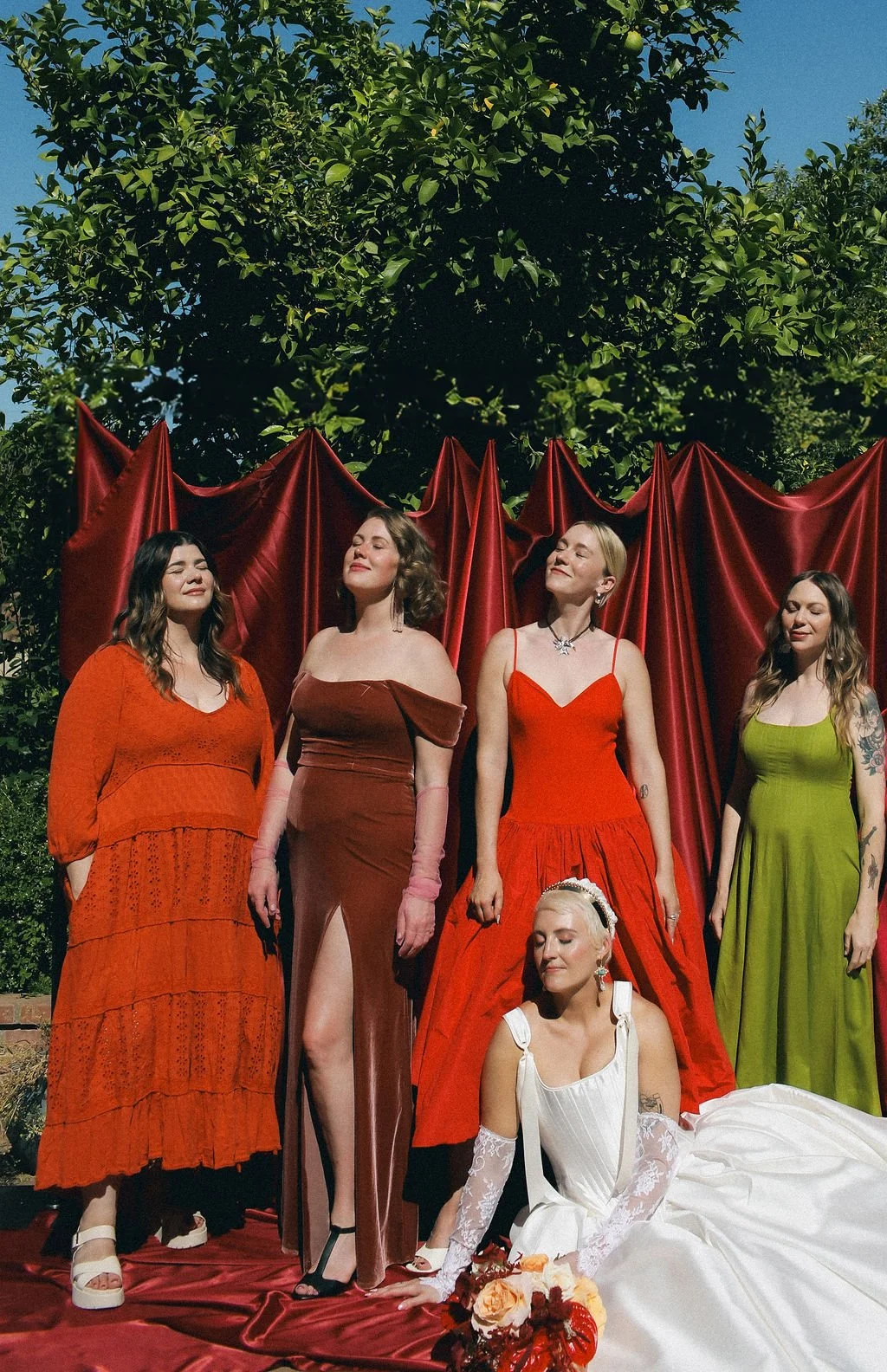
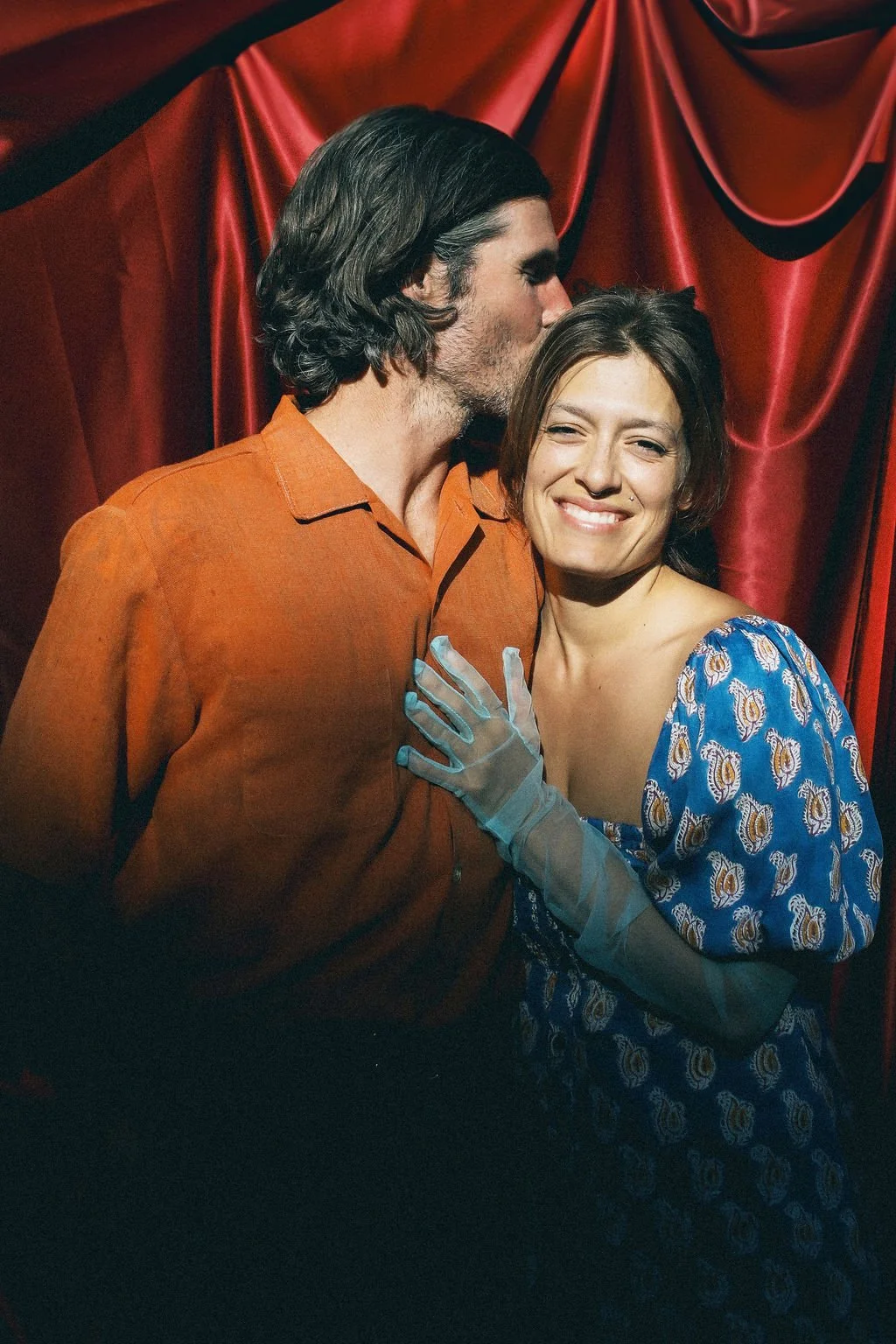
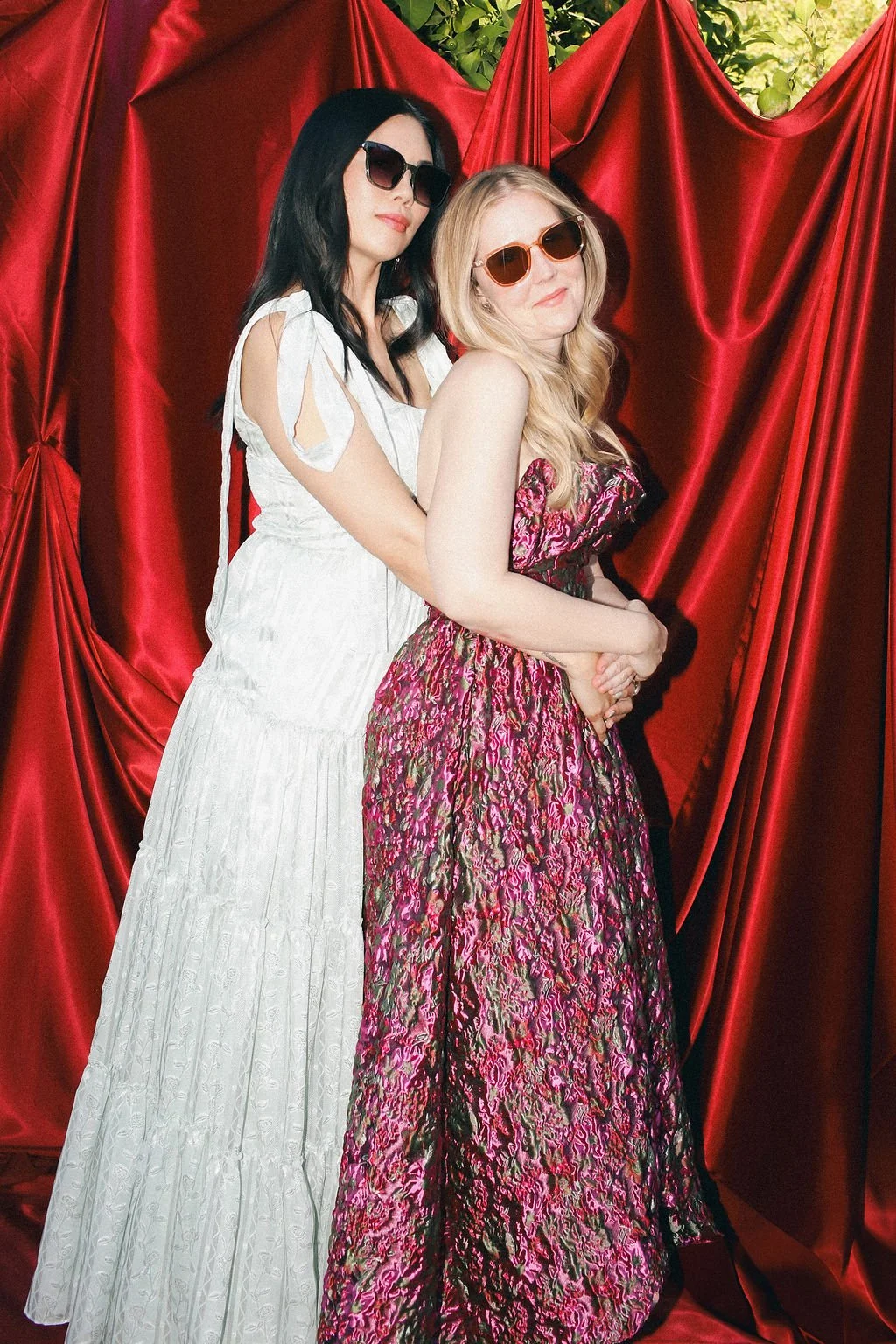
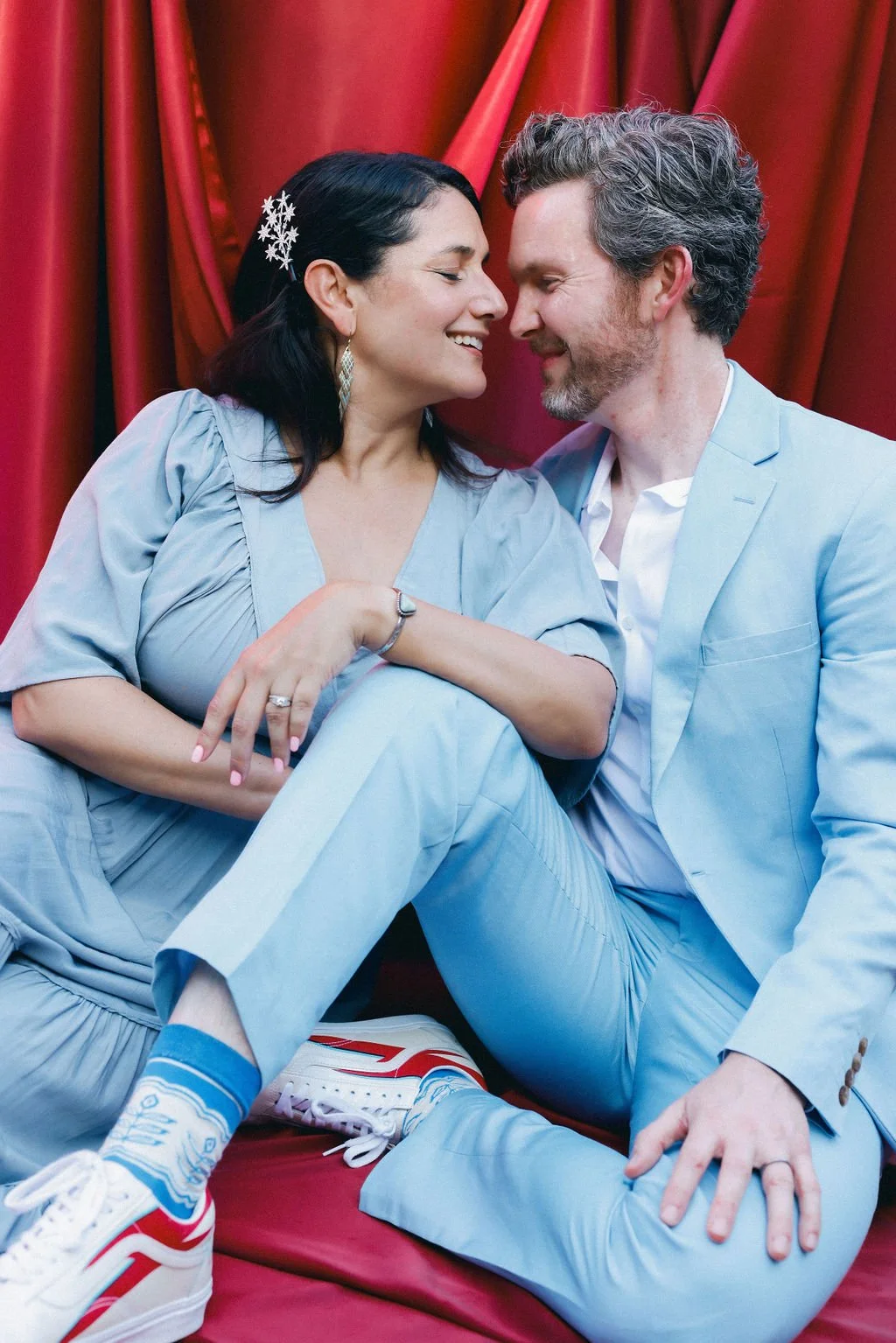
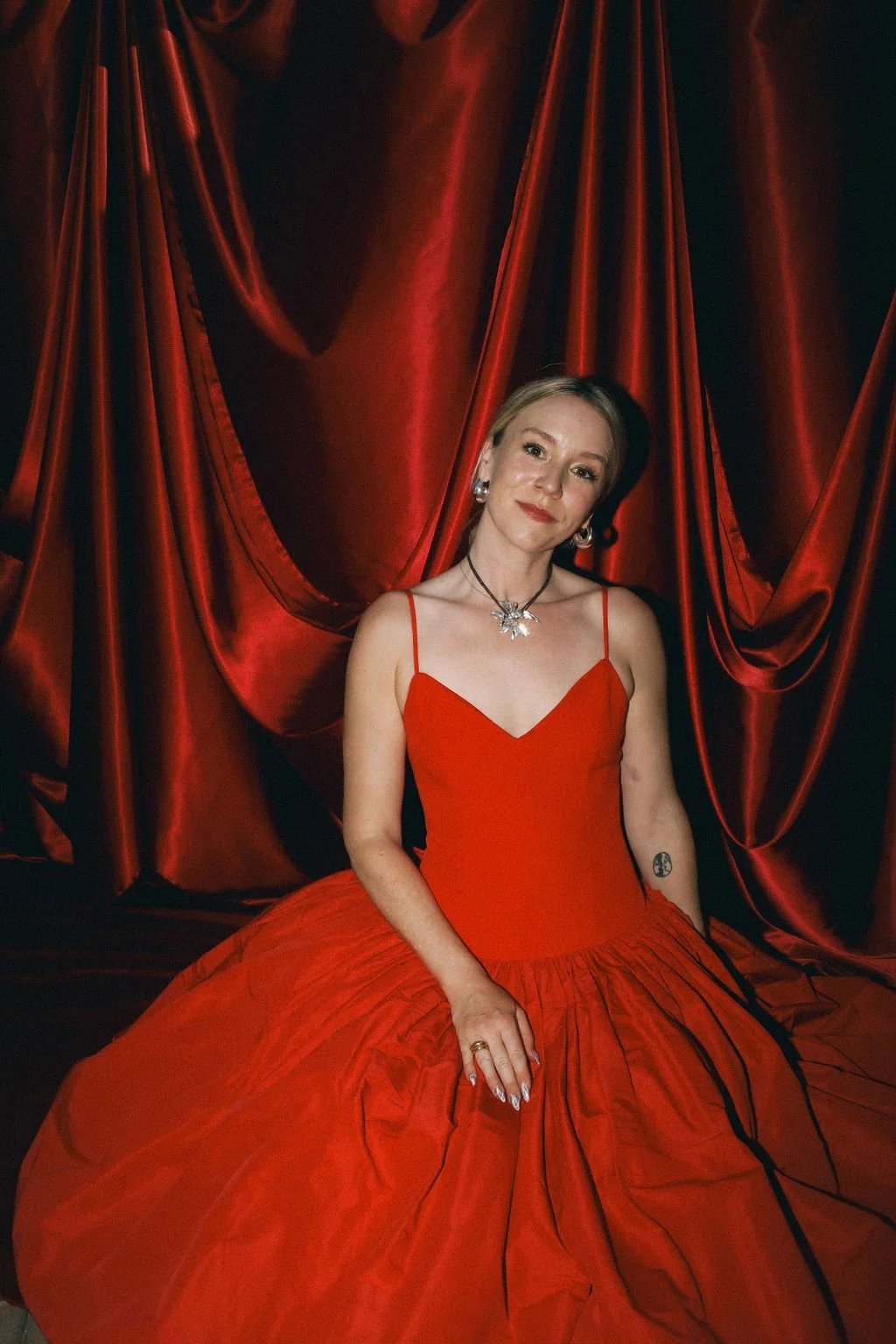
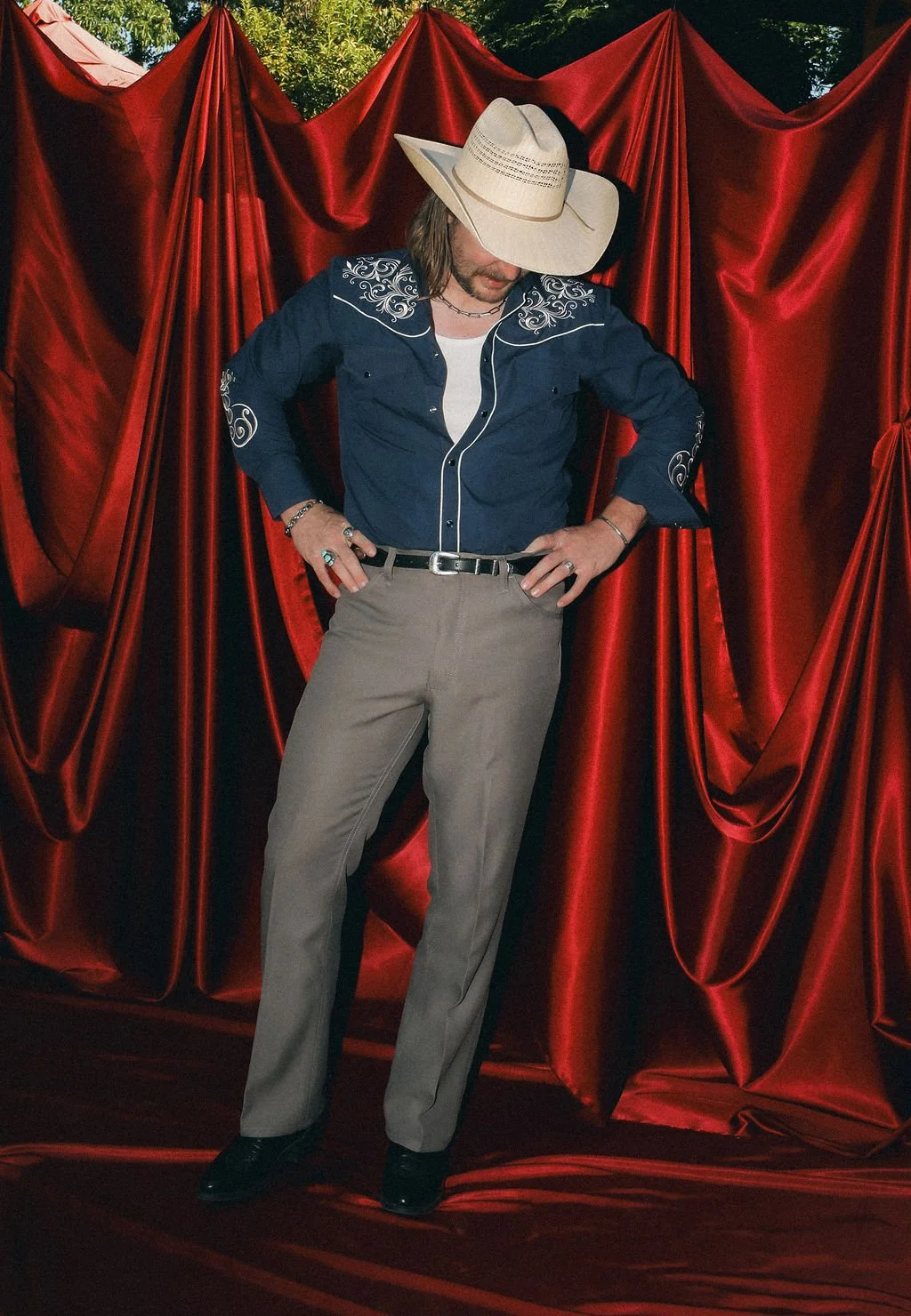
J: You are a creative person. A freelance creative director who has worked with some of the world's biggest brands. It is natural for someone like yourself to look forward to owning the creative direction of their own wedding day. What was that creative process like for you? Where did you draw inspiration from?
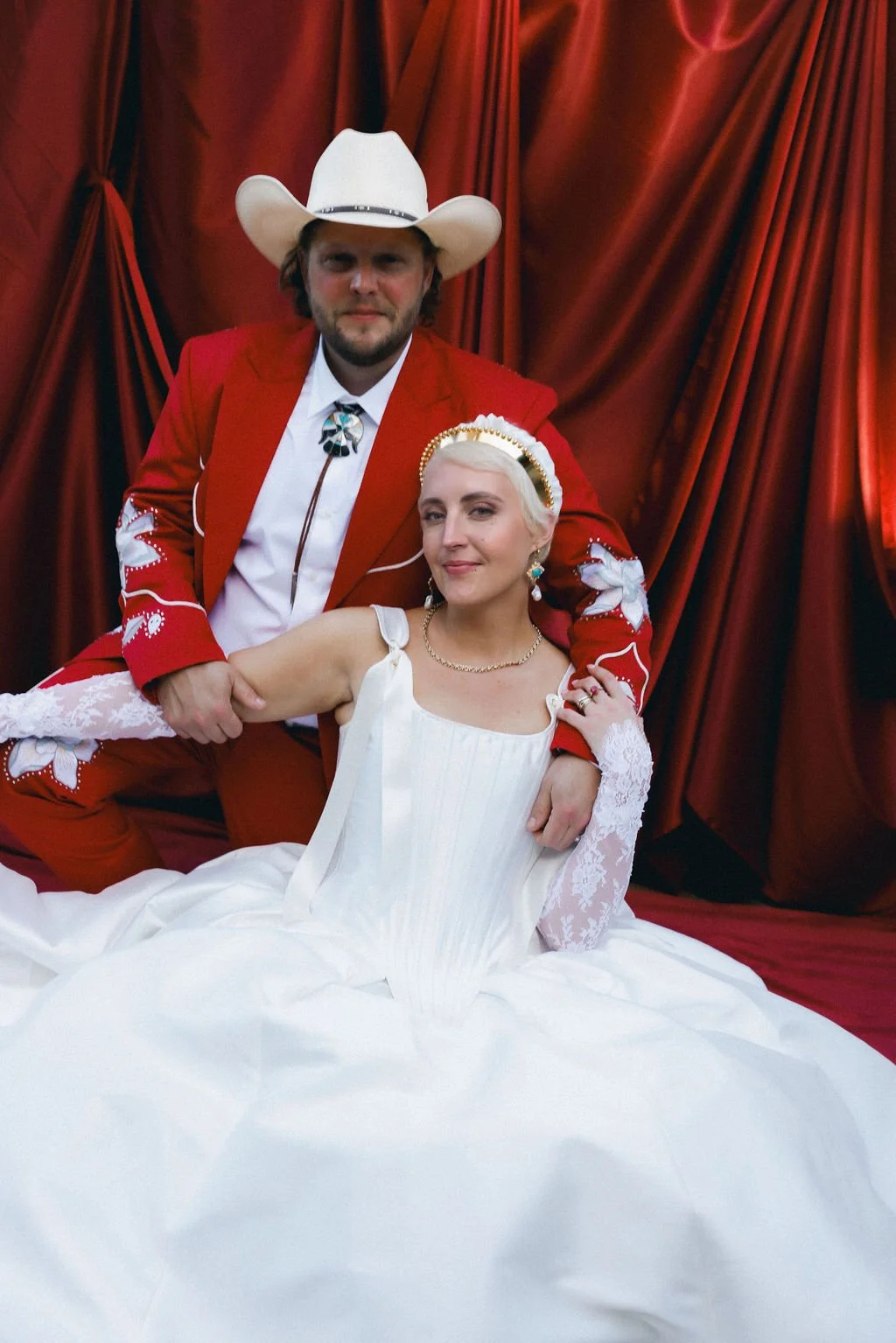
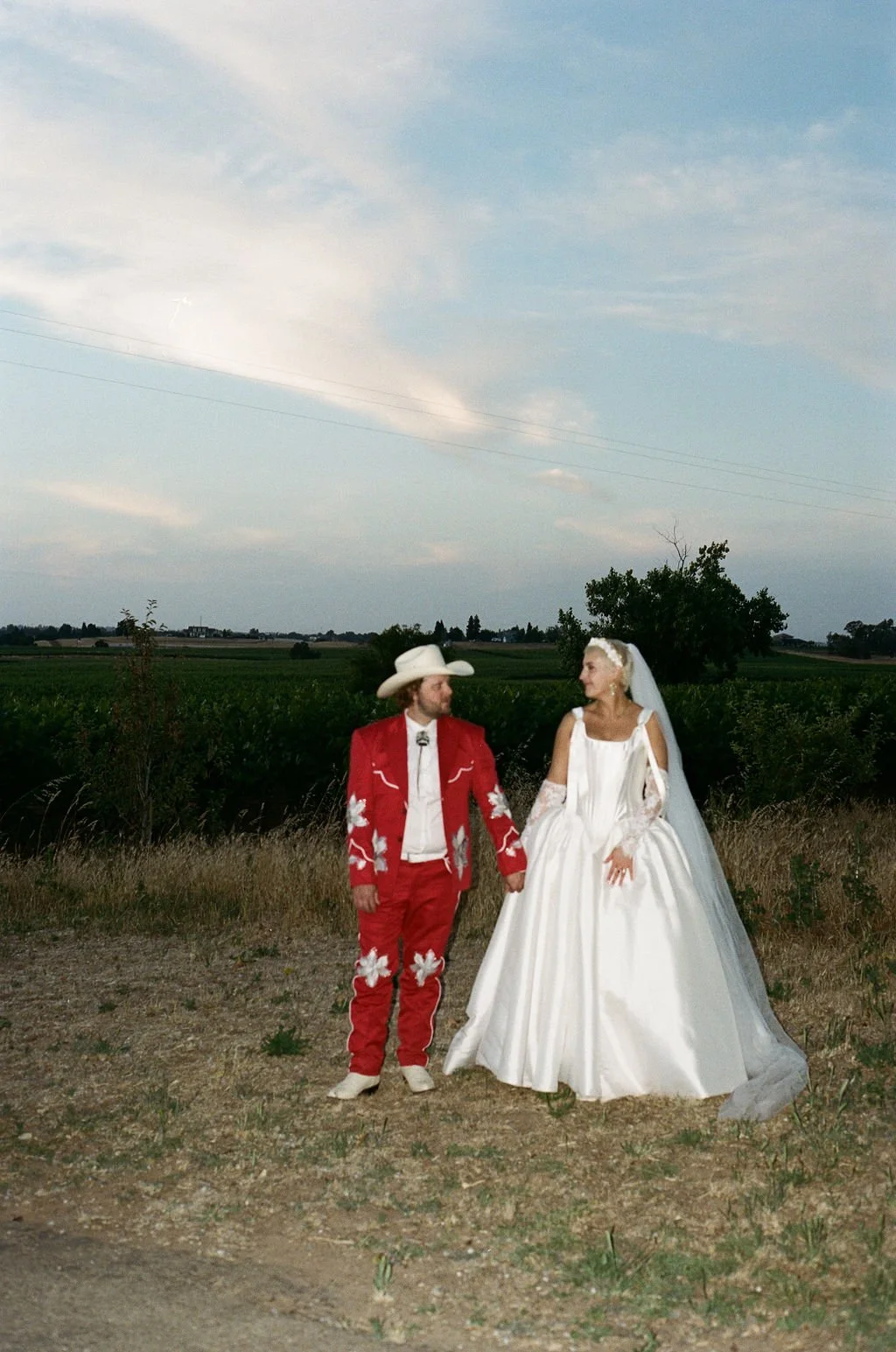
Y: This is truly my identity. In my 30's I made a career pivot and went into creative direction. For the last eight years I've been grinding really hard to become a creative director. For me, inspiration came from identifying when things pulled me. It came from the world around me, not necessarily bridal fashion. I focused on textures, themes, and the color red—it just stuck with me. I think it was partly inspired by my family heritage, like memories of my grandmother’s home filled with red accents.
I wanted the process to feel organic, playful, and intuitive rather than overly conceptual. Once I locked onto the idea of a red wedding, everything flowed naturally. Social media, vintage photographs, and just observing the world helped piece together the vision.
"Break the norm. Don't do the thing that everybody else says you have to. All those rules are made up by people... and there's no reason we can't adapt [traditions] if they don't fit."
J: Walk me through your thought process on opting for an alternative bridal look. What thoughts were holding you back from doing it? What ultimately encouraged you to do it?
Y: Trying on dresses can be a bit of a journey—it forces you to confront how you envision yourself versus how others see you. Social media can cloud your perspective with so much imagery of “perfect brides.”
I realized I couldn’t rely on anyone else’s vision of what a bride should look like. For me to feel authentic, I had to listen to my intuition. I visited vintage shops, high-end designers, and second-hand stores to find pieces that resonated with me. Ultimately, it was about finding something unique—something that couldn’t just be replicated by anyone else.
I did worry about cost, especially as a first-generation immigrant who values financial stability. But working with people like you, who understood my vision and respected my budget, helped me bring it all together without compromising.
J: There were subtle nods to your family’s Russian heritage in your outfit. Tell us about why it was important to you to incorporate it, and how you did it.
Y: The most meaningful nod to my heritage was a small embroidered square created by my great-grandmother during the war. She made it using threads pulled from old clothes, and it depicts a little boy sitting by a lake. It was made for her son, my grandfather.
I tied our rings to this embroidery as a way to honor her resilience and connect with the generations of women in my family. It was a deeply emotional and symbolic piece for me, representing strength, love, and legacy.
J: What is one piece of advice you would give both brides and grooms when it comes to choosing their wedding day look?
Y: I want to say, "Don't go outside of your comfort zone." But I think in order to find yourself you sometimes have to do some stuff that sucks. Like try on some things that that don't feel good. Trust your instincts and don’t feel pressured to follow traditions that don’t resonate with you. Be willing to try things that might not work—it’s part of discovering what feels right.
Above all, listen to yourself. It’s easy to get swept up in others’ opinions, but this day is about you and your partner. Break the rules if they don’t serve you—most of them are arbitrary anyway.
J: Now that the wedding is over looks like you’re focusing your creative energy on Moonlight Pain Co. What is MPC? And how does it serve you?
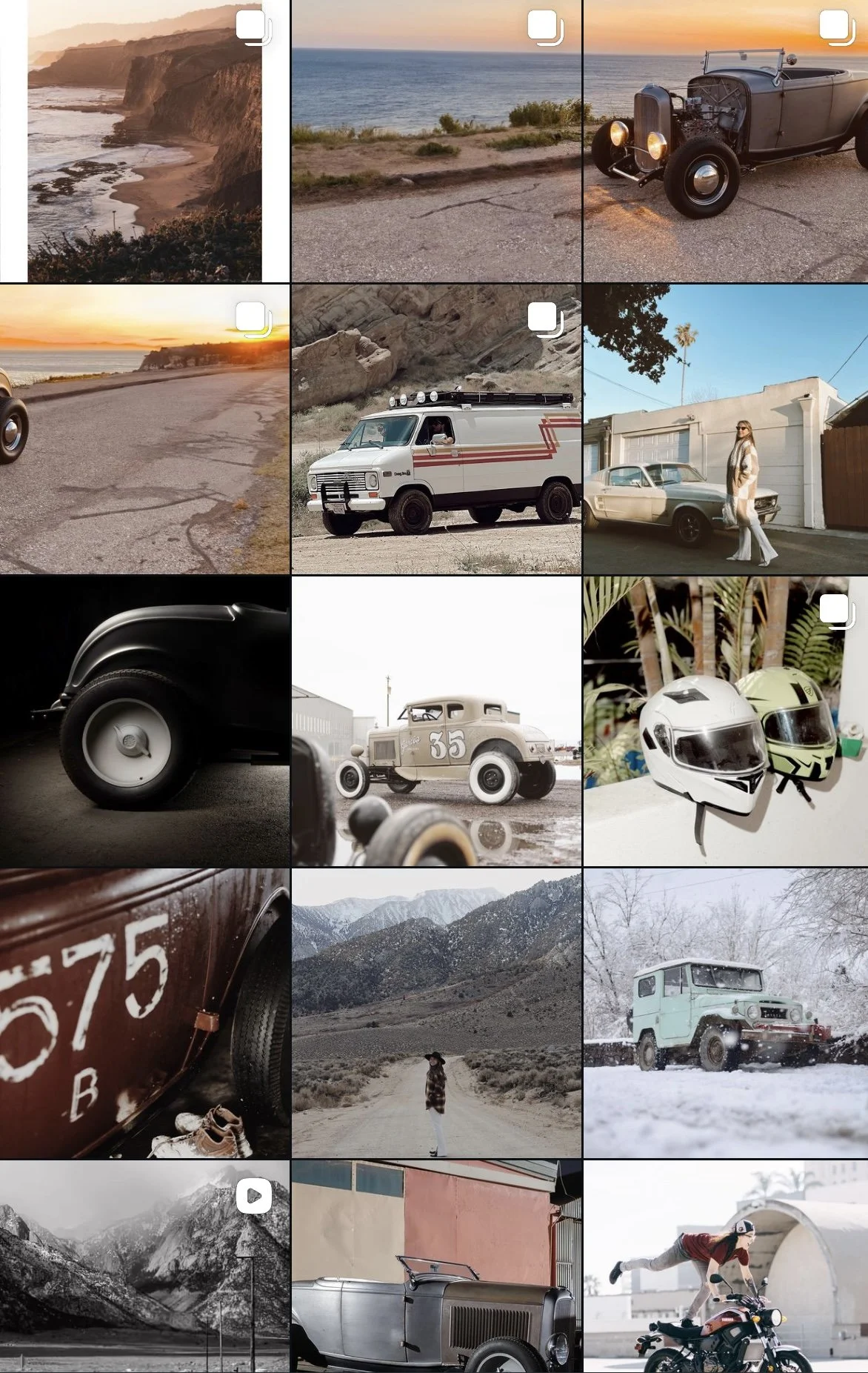
Y: After the wedding, we shifted our focus to Moonlight Paint Co., a project that’s been a mix of passion, history, and creativity. It started a couple of years ago when we purchased a 1932 hot rod. The car had been built by its previous owner, a man from Central California, as his final project before he passed away. Although we never met him, his sons shared stories of how much pride he took in the car.
One detail that really touched us was a custom wooden holder in the trunk, designed to perfectly fit a single chair. It seemed his dream was to drive around, attend shows, and showcase his car. That personal touch gave us a profound sense of responsibility to honor his vision while making the car our own.
When we bought the hot rod, we decided to completely disassemble it and give it a high-end paint job. This was no small task—high-end paint jobs demand meticulous work to achieve that flawless, mirror-like finish. Choosing the color was an equally intense process. During a visit to the Petersen Automotive Museum, we were captivated by the silver finish on a Mercedes Gullwing. It was stunning, unconventional for hot rods, and felt like the perfect fit. Later, we discovered from the sons that silver was exactly the color their father had envisioned for the car—a moment that felt incredibly meaningful, almost like a shared creative connection across time.
Neither of us had experience painting, so we leaned on the kindness and expertise of others, learning everything from scratch. Serendipity played its part too: Brian eventually got a job at one of only two Mercedes-owned shops in the world that service Gullwings. In a full-circle moment, we painted the car using the factory color in the same booth where those iconic cars are finished.
We named it Moonlight Paint Co. because the entire project has been a “moonlighting” effort—work we do late at night after our regular jobs. Right now, it’s more exhausting than anything, but it’s also deeply rewarding. The process of bringing this car to life, connecting with its history, and stretching our creative limits has been an incredible journey. We hope one day it serves us in ways we can’t yet imagine, but for now, it’s enough to keep the dream alive.